
Connecticut Solar Offering
Connecticut has some of the highest electricity rates in the country and a solar landscape that’s shifted in recent years — refer to the information below to understand where things stand today and how solar may help address your home’s energy needs.
Solar in Connecticut
Solar’s Rising Popularity in Connecticut
Connecticut may not be a Sunshine State, but the state’s solar market is real and growing. As of the most recent SEIA data, Connecticut has 2,108 MWdc of solar installed — enough capacity to power an estimated 306,592 homes — across 123,181 installations statewide, representing about $5.5 billion in total investment and roughly 2,394 solar jobs.3
Connecticut’s Clean Energy Goals
Connecticut has set some of the most ambitious climate targets in the country under its Global Warming Solutions Act, including a goal of a zero-carbon electric supply by 2040 and economy-wide emissions reductions of 45% below 2001 levels by 2030 and net zero by 2050.4
Rooftop solar is one of the tools the state is counting on to help get there.
Why Solar Makes Financial Sense in Connecticut
Connecticut residential electricity currently averages about $0.30 per kWh, roughly 48% higher than the national average of $0.21/kWh, and the average Connecticut household spends about $326 per month ($3,912/year) on electricity.5
With rates this high, an average-sized solar system (EnergySage estimates 11.41 kW to cover a typical bill) may offset a substantial share of a home’s usage — EnergySage estimates around 90% electricity offset is achievable for an average system, though actual offset always depends on your usage, roof, and system size.
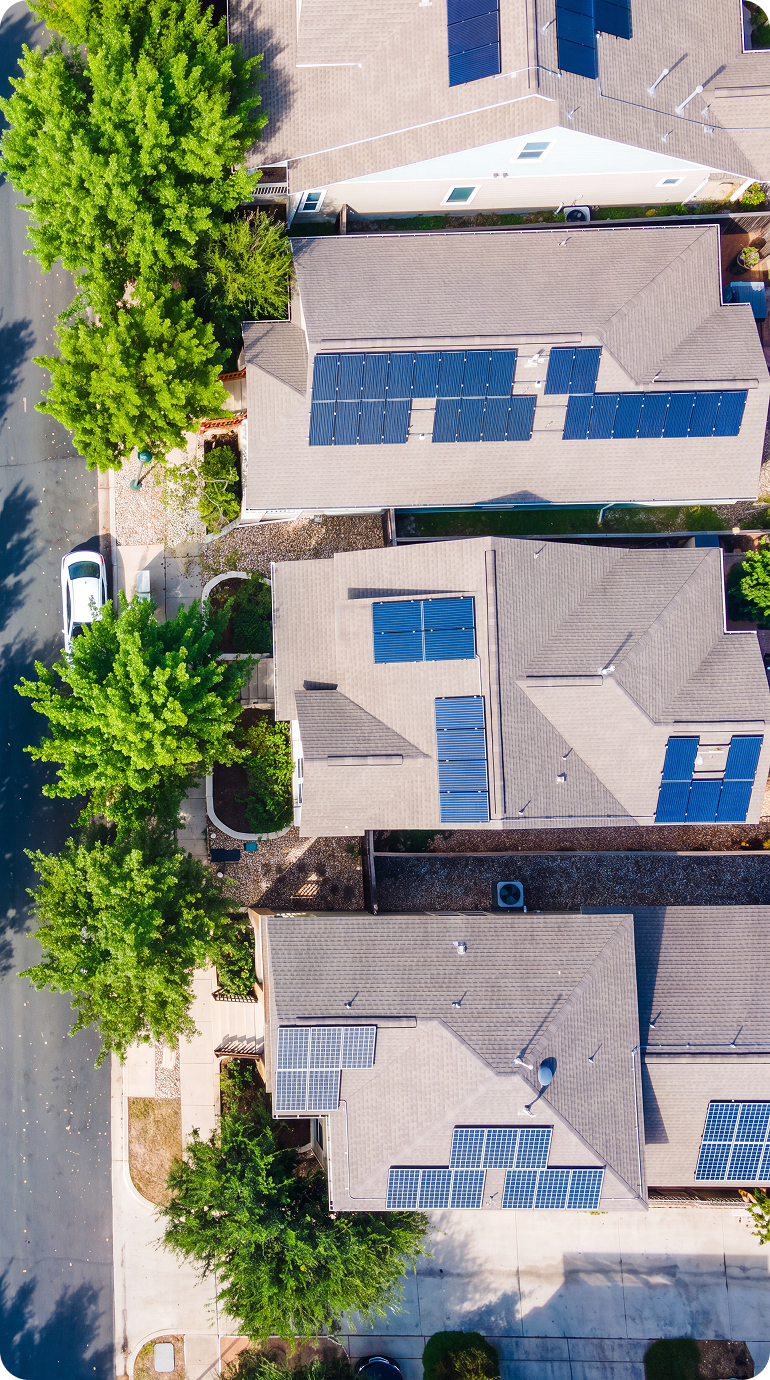
Here to Help You Navigate Connecticut’s Solar Landscape
Connecticut no longer offers traditional net metering. Since January 1, 2022, new solar customers participate in the Residential Renewable Energy Solutions (RRES) program instead, choosing between a Netting Tariff or a Buy-All Tariff.1,2 We’ll help you understand which tariff and system size may fit your home and walk you through Connecticut’s current solar rules step by step.
Evaluating Solar Incentives
Available programs may help reduce the cost of installing solar. We’ll help you understand which incentives may apply to your project, along with the eligibility requirements and potential benefits.
Understanding Your Tariff Options
Connecticut homeowners can choose between the Netting Tariff and Buy-All Tariff under the Residential Renewable Energy Solutions program. Our energy consultants help explain how each option works and which may better align with your household’s electricity use and solar goals.
Designing the Right System for Your Home
Your electricity use, roof layout, future energy needs, utility, and selected tariff can all influence system design. We consider these factors together to recommend a solar solution sized around your home and long-term energy goals.
Why Join the Solar Movement?

Lower Electricity Costs
Connecticut has some of the highest electricity rates in the nation — about 48% above the national average as of mid-2026.5 Because Connecticut’s electricity market is deregulated, you can also shop for your electric supplier separately from your utility, but for many homeowners, generating your own power through solar (potentially paired with a battery to manage time-of-use rates like Eversource’s Residential Time-of-Day rate) is a more direct way to work toward reducing dependence on rising utility costs. Savings are never guaranteed and depend on your usage, system size, and financing choice.
Solar Panels Remain Effective in Cold, Snowy Weather
Yes, seasonally — but not in the way many homeowners expect. Solar panels don’t require heat to work; they need light, and photovoltaic cells are generally not less efficient in cold weather. Connecticut winters do mean shorter days and occasional snow cover on panels, which can temporarily reduce output until snow melts or slides off (most residential systems are installed at an angle that helps with this). Your installer can help you understand expected seasonal production patterns for your specific roof and system.


Cleaner Energy for a Cleaner Grid
As of the most recent EIA data (August 2025), roughly 61% of Connecticut’s grid electricity still comes from natural gas and only about 4% from renewable sources, with the remainder largely nuclear.5 Installing solar is one of the more direct ways an individual homeowner can shrink their household’s reliance on fossil-fuel generation and support Connecticut’s clean energy goals.
Home Value Considerations
Homeowner resources from the U.S. Department of Energy note that solar panels are generally viewed as a home value consideration for buyers, though the effect on resale value varies by market, home, and system.7 We recommend speaking with a local real estate professional for guidance specific to your area.


Reduce Reliance on Non-Renewable Energy Sources
Fossil fuels remain the largest share of Connecticut’s electricity supply today. Solar energy is emissions-free at the point of generation and offers homeowners a way to participate directly in the shift toward cleaner power.
Connecticut Solar Incentives and Rebates
- Residential Renewable Energy Solutions (RRES)
For systems 25 kW or smaller connected to the grid, choose between a Netting Tariff or Buy-All Tariff for compensation on your solar production; extra incentive adders may be available for income-eligible customers and those in Distressed Municipalities/Environmental Justice Communities (Check if your town qualifies). Tariff selection locks in for 20 years.1 - Connecticut solar sales tax exemption
Solar system purchases are generally exempt from CT’s 6.35% sales tax.2 - Connecticut solar property tax exemption
The added home value from a solar system is generally exempt from local property tax assessment.2
Why Choose Axia by Qcells for Your Connecticut Solar Installation?
At Axia by Qcells, our goal is to make energy independence easy and accessible with affordable, hassle-free solar installations — backed by the reliability of Qcells. Here’s what sets us apart.
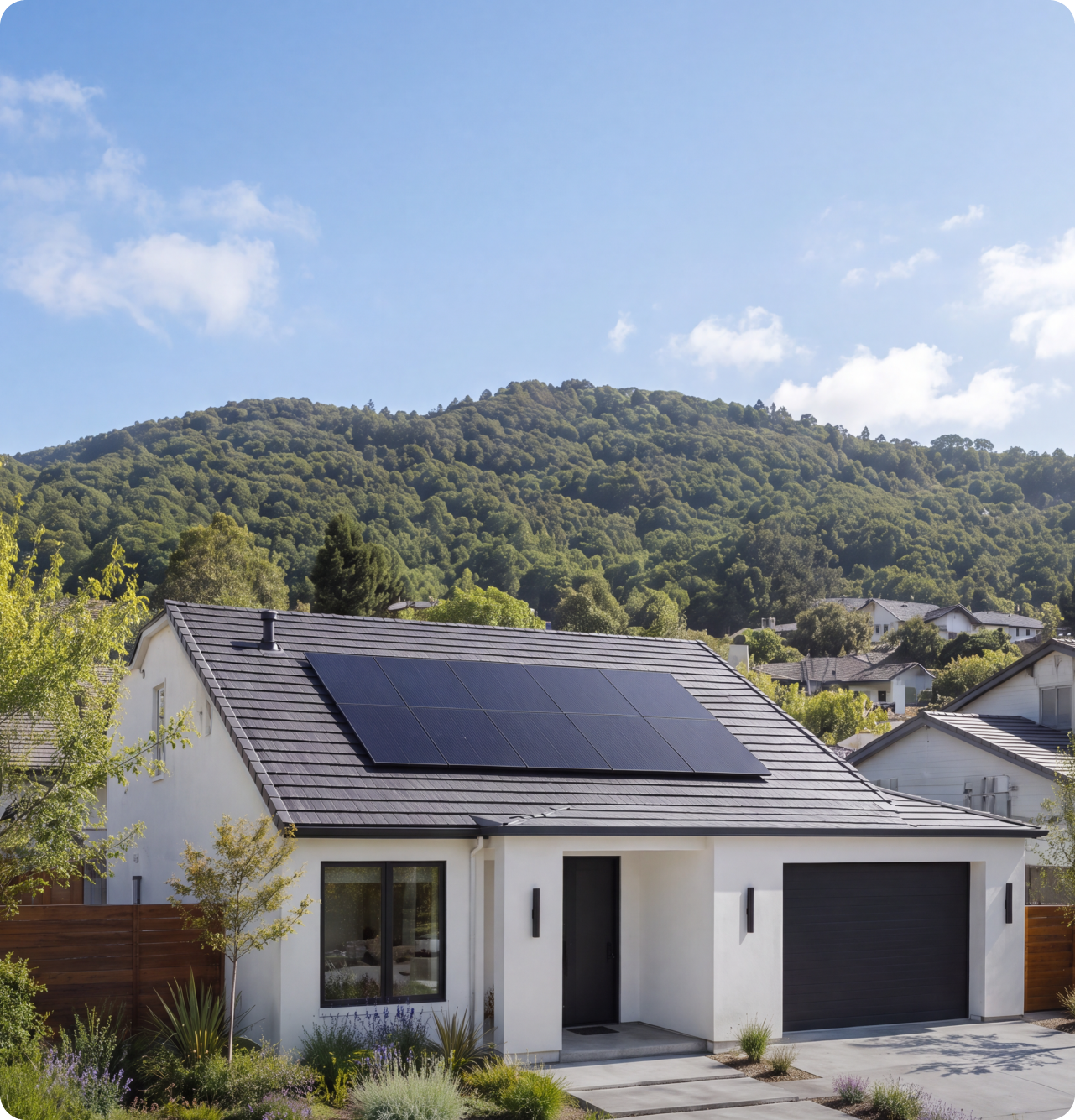
Reduced Cost
Every homeowner’s situation is different. We’ll walk you through financing options, including cash purchase, solar loans like Smart-E, and lease/PPA arrangements, to find what fits your budget.
No-Hassle Service
Our team manages the process from start to finish, including guidance through Connecticut’s RRES tariff selection and interconnection requirements, so you can focus on the benefits.
Minimally Invasive and Quick Installation
Our streamlined process gets your system installed fast, minimizing disruption to your home and daily routine along the way.
Ongoing Support
We don’t disappear after installation — we’re here for your post-installation questions and needs.
Backed by Qcells
We use premium Qcells solar technology, bringing together proven equipment with the backing of one of the world’s most established solar manufacturers.
Connecticut Solar Panel Installation FAQ
Many homeowners worry that New England winters mean solar panels stop working when it’s cold or snowy. In reality, solar panels don’t need heat to generate electricity — they need light, and cold temperatures don’t reduce a panel’s efficiency (if anything, panels can run slightly more efficiently in cooler weather than in extreme heat). Snow accumulation can temporarily block sunlight, but most residential systems are mounted at an angle that helps snow slide off, especially on sunny days after a storm. Cloudy days will reduce output somewhat, since panels rely on available light, but Connecticut’s four-season climate still supports solar production across the year. Your installer can walk you through expected seasonal production for your specific roof.
Connecticut has some of the highest residential electricity rates in the country — about $0.30 per kWh as of mid-2026, roughly 48% above the national average.5 That makes offsetting your usage with solar more impactful here than in many other states. Connecticut also offers a state sales tax exemption and a property tax exemption tied to the added value of a solar system2, along with the Residential Renewable Energy Solutions (RRES) program for compensation on the energy your system produces.1 Note that the federal Residential Clean Energy Credit is no longer available for systems placed in service after December 31, 20258, so speak with a tax professional about what applies to your specific installation timeline. As with any home investment, actual savings depend on your electricity usage, system size, financing method, and eligibility for available programs — nothing here should be read as a guaranteed return.
This depends on your equipment, roof orientation and angle, shading, and the amount of usable sunlight your home receives across the year — including Connecticut’s shorter winter days. Your solar consultant will evaluate your roof and energy usage to help size a system appropriate for your household, and can walk you through what production estimates typically look like season by season in Connecticut.
In most cases, yes. There’s no single roof type required for solar in Connecticut — panels can be mounted on asphalt shingle, metal, slate, and other common roofing materials found on Connecticut homes, including many older, pre-1980 houses common throughout the state. Installation methods and hardware may vary depending on your roof’s material, age, and condition, and homes built before 1980 are generally required to complete a Home Energy Solutions assessment to participate in RRES.1 If your roof has unique construction or is older, ask your installer how they’ll adapt their approach, and consider getting more than one quote.
With proper maintenance, solar panels can last well beyond 25 years, and most come with a manufacturer’s performance warranty for that period. After the warranty period, panels typically continue producing electricity, just at a somewhat reduced capacity. At Axia by Qcells, our Qcells solar systems come with a 25-year manufacturer’s performance warranty, guaranteeing a minimum of 97% of rated power output in year one and a minimum of 83% of rated power output by year 25 — built to hold up through many Connecticut winters.
Sources (Connecticut Facts and Incentives Used):
- Residential Renewable Energy Solutions (RRES) program and Energy Storage Solutions battery incentives (Netting/Buy-All tariffs, incentive adders, Home Energy Solutions assessment requirement for pre-1980 homes): Energize CT; Energy Storage Solutions
- Connecticut solar data (RRES tariffs, system sizing, sales/property tax exemptions, financing options, and related solar market information): EnergySage
- Connecticut solar market statistics (installed capacity, installations, investment, jobs): SEIA
- Connecticut Global Warming Solutions Act climate targets: CT DEEP
- Connecticut residential electricity rates, grid generation mix (EIA data cited via EnergySage), and utility market information: EnergySage
- Smart-E Loans low-interest financing for solar and home energy upgrades: CT Green Bank
- General homeowner solar guidance, including resale value considerations: U.S. Department of Energy
- Federal Residential Clean Energy Credit (25D) expiration for residential systems placed in service after December 31, 2025: IRS