
Illinois Solar Offering
Learn how solar works in Illinois today, from available state incentives and current billing-credit rules to how battery storage can give you greater control over when and how you use your solar energy.
Check Energysage.com website for the latest estimate
Going Solar in Illinois
The average Illinois homeowner will save about $30k over 25 years by going solar.
Solar panels are engineered to generate power across a range of daylight and weather conditions, and Illinois homeowners have practical, everyday reasons to consider it: a real reliance on electricity for summer cooling, exposure to severe seasonal weather, and a state that’s actively investing in more clean energy through programs like Illinois Shines.1 As more homeowners look for ways to manage their electric bill, solar with battery storage has become a practical option across the state, not just in sunnier climates.
Illinois’s Unique
Solar Landscape
Solar can be especially useful for Illinois homeowners because it addresses a real, everyday challenge: the cost of powering a home through hot, humid summers. Nearly all Illinois households, about 96%, rely on electric air conditioning to get through the summer,2 which means cooling is a major driver of your electric bill during peak season.
Protecting Your Investment: How Your Solar Credits Work
Illinois utilities changed how new solar systems are credited starting January 1, 2025. Under the Climate and Equitable Jobs Act, new ComEd, Ameren Illinois, and MidAmerican customers now receive supply-only net metering credits rather than the older full retail-rate credits.4 This is exactly why correct system sizing and battery strategy matter: using more of your own solar power on-site is often more valuable than sending it back to the grid for a partial credit.
Our energy consultants will walk you through exactly how your specific utility credits your system today.
Does Solar Still Work Through an Illinois Winter?
A common concern for homeowners here is whether solar is worth it once the snow flies.
It is: solar systems continue producing electricity through the winter, though output is typically lower due to shorter days, a lower sun angle, and occasional snow sitting on the panels.3 Panels are mounted at an angle, which helps snow slide off over time, and systems are often sized so that stronger summer production balances out the lighter winter months across the year.
The Importance of Solar Batteries in Illinois
Illinois homeowners face a different set of grid challenges than other states: severe thunderstorms and derechos in summer, ice storms and heavy snow loads in winter, and periodic outages from high electricity demand. Pairing solar with a battery gives Illinois homeowners more control over both their bill and their power supply.
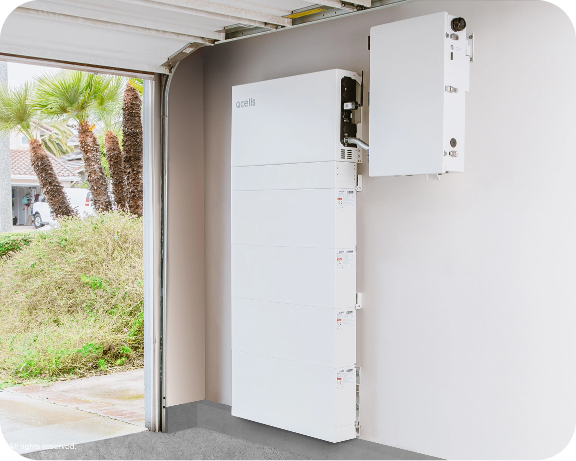
Energy Independence
With Illinois’s shift to supply-only net metering credits for new systems, storing your own excess solar energy for later use in your home can be a more effective way to benefit from your system than sending it back to the grid for a partial credit.3
Smarter Energy Management
A battery gives homeowners greater flexibility over when their solar energy is used. Stored energy can support the home during evening hours or periods of higher electricity use, helping homeowners better align their energy consumption with their solar production.
Solar in Illinois
Illinois has committed to an ambitious clean energy trajectory: state law targets 40% renewable electricity by 2030, 50% by 2040, and 100% clean energy by 2050.1,2
Solar is a growing part of that mix: Illinois’s largest solar farm to date, the nearly 600-megawatt Double Black Diamond project near Springfield, came online in late 2024, and small-scale (rooftop) systems now make up a meaningful share of the state’s growing solar generation.2
Illinois also runs one of the more structured state solar incentive programs in the country: Illinois Shines (the Adjustable Block Program), which pays incentives for the Renewable Energy Credits your system generates, and Illinois Solar for All, which is designed specifically for income-eligible households.5,1
Solar’s Rising Popularity in Illinois
Illinois’s average residential electricity price was 15.87 cents per kWh in 2024.6 Rates and rider charges vary by utility, rate class, and season, and can change from year to year, so your actual bill impact will depend on your ComEd, Ameren Illinois, or MidAmerican rate plan.
As Illinois continues to build out its clean energy programs, and as financing options like loans, leases, and power purchase agreements have made solar accessible without a large upfront cash payment, more homeowners are exploring whether solar fits their household budget.
A State Investing in a Clean Energy Future
Illinois’s Climate and Equitable Jobs Act and its successor, the Clean and Reliable Grid Affordability Act, direct the state toward more renewable generation, more storage, and continued support for programs like Illinois Shines and Illinois Solar for All.5 Going solar can help you take a more active role in that shift while giving your household added protection during outages.
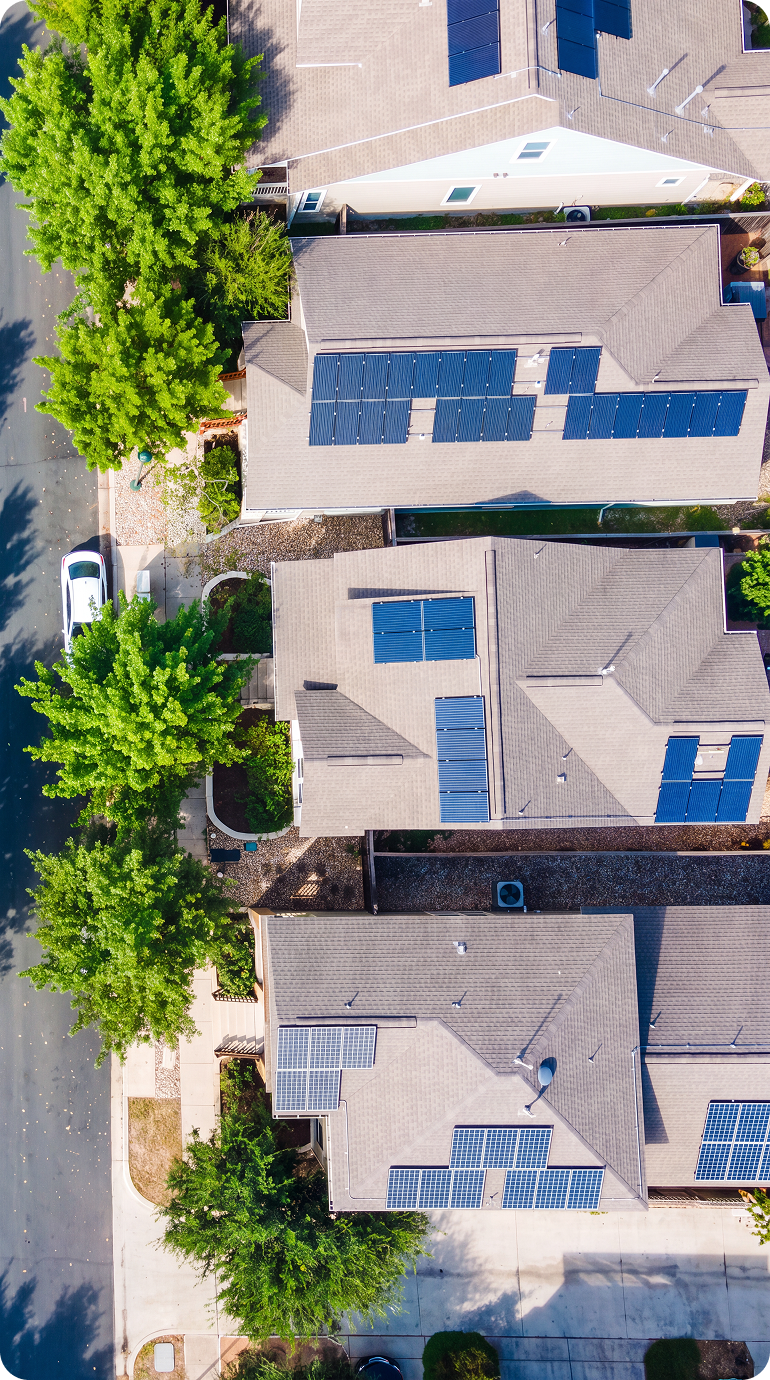
Why Join the Solar Movement?

Lower Electricity Costs
Utility rates, delivery charges, and rider fees can change from year to year and vary by provider and rate class. Solar paired with a battery can help you generate and use more of your own electricity, which may reduce how much you rely on grid power. Actual savings depend on your system size, usage, roof, and utility rate structure, and are never guaranteed.3
Reduce Reliance on Non-Renewable Energy Sources
Illinois still generates a majority of its electricity from nuclear and a meaningful share from fossil fuels, alongside a growing share of wind and solar.2 Installing solar allows you to generate a portion of your own electricity from a renewable source.


Solar Still Works in Illinois Winters
A common concern is whether solar makes sense in a state with real winters. Illinois Shines confirms that solar systems continue producing electricity through the winter, though output is typically lower due to shorter days, a lower sun angle, and occasional snow cover on panels; systems designed to offset annual usage are typically sized to produce extra power in summer to help balance lower winter output.3
Increased Property Value
Many buyers see solar as a valuable home feature. Actual impact on resale value varies by market, home, and system, and Axia does not guarantee any specific increase in property value.

Illinois Solar Incentives and Rebates
- Illinois Shines (Adjustable Block Program)*
A state-administered program that pays incentives for the Renewable Energy Credits (RECs) generated by qualifying rooftop and community solar systems. Incentive amounts are set by “block” and program year and are paid to Approved Vendors, who may pass savings on to customers.1,7 - Illinois Solar for All*
A companion program aimed at income-eligible households, designed to help ensure qualifying participants see savings on their energy bills.3,5,8 - Net Metering (Post-2025 Rules)
As of January 1, 2025, new residential solar customers with ComEd, Ameren Illinois, or MidAmerican no longer receive full retail-rate net metering. Instead, excess generation offsets only the supply portion of your bill, and you’ll continue paying delivery charges on the full amount of electricity you pull from the grid. Systems that were already interconnected and approved before that date generally keep their prior “legacy” net metering terms for the life of the system.4 - Utility Distributed Generation (DG) Rebates
ComEd offers a Distributed Generation Rebate to eligible interconnected solar customers who also participate in ComEd’s Scheduled Dispatch Virtual Power Plant program; terms, amounts, and eligibility are set by ICC-approved tariff and are subject to change.10 - Federal Tax Credit â Important Update
The federal Residential Clean Energy Credit (25D), which allowed homeowners to claim 30% of qualifying solar costs, is no longer available for residential solar property placed in service after December 31, 2025.11 The Illinois Power Agency confirms that under H.R.1 (signed July 4, 2025), only residential projects that completed construction by that date remain eligible for this federal credit.9
Axia does not provide tax advice.
Why Choose Axia by Qcells for Your Illinois Solar Installation?
At Axia by Qcells, our goal is to make going solar in Illinois straightforward, well-explained, and built on quality equipment. â¨Here’s what sets us apart.
Reduced Cost
Every homeowner’s situation is different. Speak with an advisor for a custom estimate based on your home, usage, and the current Illinois incentives you may qualify for.
No-Hassle Service
We manage the process from consultation through installation, so you’re not left navigating utility paperwork, interconnection applications, or program rules alone.
Minimally Invasive and Quick Installation
Our streamlined process gets your system installed fast, minimizing disruption to your home and daily routine along the way.
Ongoing Support
We don’t disappear after installation. Our team remains available for questions and support after your system is up and running.
Backed by Qcells
Your system is built on Qcells solar technology, a globally recognized manufacturer, giving you confidence in the equipment powering your home.
Illinois Solar Panel Installation FAQ
If you still have questions or concerns about solar energy, check out the answers to our customersâ most frequently asked questions below.
Solar panels continue generating electricity in cold, cloudy, and snowy conditions, though production is typically lower in winter due to shorter days, a lower sun angle, and occasional snow cover on the panels.3 Systems are often sized so that higher summer production helps balance lower winter output over the year. Panels are mounted at an angle, which helps snow slide off, though performance during and immediately after a snowfall will vary.
It depends on your electricity usage, roof, financing choice, and the incentives you qualify for. You are not guaranteed to save money unless your contract includes an explicit guarantee; Illinois Shines recommends reviewing your current electricity rate, roof suitability, expected system output, and how long you plan to stay in your home before deciding.3 Axia does not guarantee specific savings, and we encourage you to review these questions with your consultant.
This depends on your equipment, roof orientation, shading, and system size. Your Axia energy consultant can help estimate expected production for your specific home.
Can Illinois homes with any roof type go solar?
Most common roof types, including asphalt shingle, metal, tile, and slate, can support solar installation, though installation methods vary by roof material and condition. Homes with unique roof construction should get a detailed assessment from their installer.
Qcells panels used by Axia come with a 25-year manufacturer’s performance warranty. Panels don’t stop working after 25 years; they simply may produce somewhat less power over time.
As of January 1, 2025, new residential solar customers with ComEd, Ameren Illinois, or MidAmerican receive supply-only net metering credits rather than full retail-rate credits. If your system was approved and interconnected before that date, you likely retain your prior net metering terms for the life of your system. Because rules vary by utility and by when you interconnect, ask your Axia consultant to explain exactly how your specific utility will credit your system.4
The 30% federal Residential Clean Energy Credit is no longer available for residential solar systems that did not complete construction by December 31, 2025.11,9 Illinois’s own Illinois Shines and Illinois Solar for All programs are unaffected by this federal change and remain available. Consult a tax professional to confirm how this applies to your situation.
Sources (Illinois Facts and Incentives Used):
- Illinois Shines program overview and Illinois clean energy targets: Illinois Shines
- Illinois electricity use, generation mix, renewable targets, and utility-scale solar: U.S. EIA
- Illinois Shines consumer FAQ (winter production, savings guidance, net metering changes, and related topics): Illinois Shines FAQ
- Net metering rule change effective January 1, 2025 (supply-only credits for new systems; legacy protection for pre-2025 systems): ComEd; Ameren Illinois; Illinois Shines FAQ
- Illinois Power Agency renewable programs overview (Illinois Shines, Illinois Solar for All, CEJA/CRGA): Illinois Power Agency
- U.S. Energy Information Administration, 2024 Total Electric Industry—Average Retail Price (cents/kWh).: eia.gov
- Illinois Shines REC incentive structure and current REC pricing (Program Guidebook): Illinois Shines Program Guidebook
- Illinois Solar for All (income-eligible program): Illinois Solar for All
- H.R.1 impact on federal solar tax credits; confirmation that Illinois Shines and Illinois Solar for All remain available: Illinois Power Agency
- ComEd Distributed Generation Rebate program (requires Scheduled Dispatch Virtual Power Plant participation): ComEd
- Federal Residential Clean Energy Credit (25D) expiration for residential systems after December 31, 2025: IRS